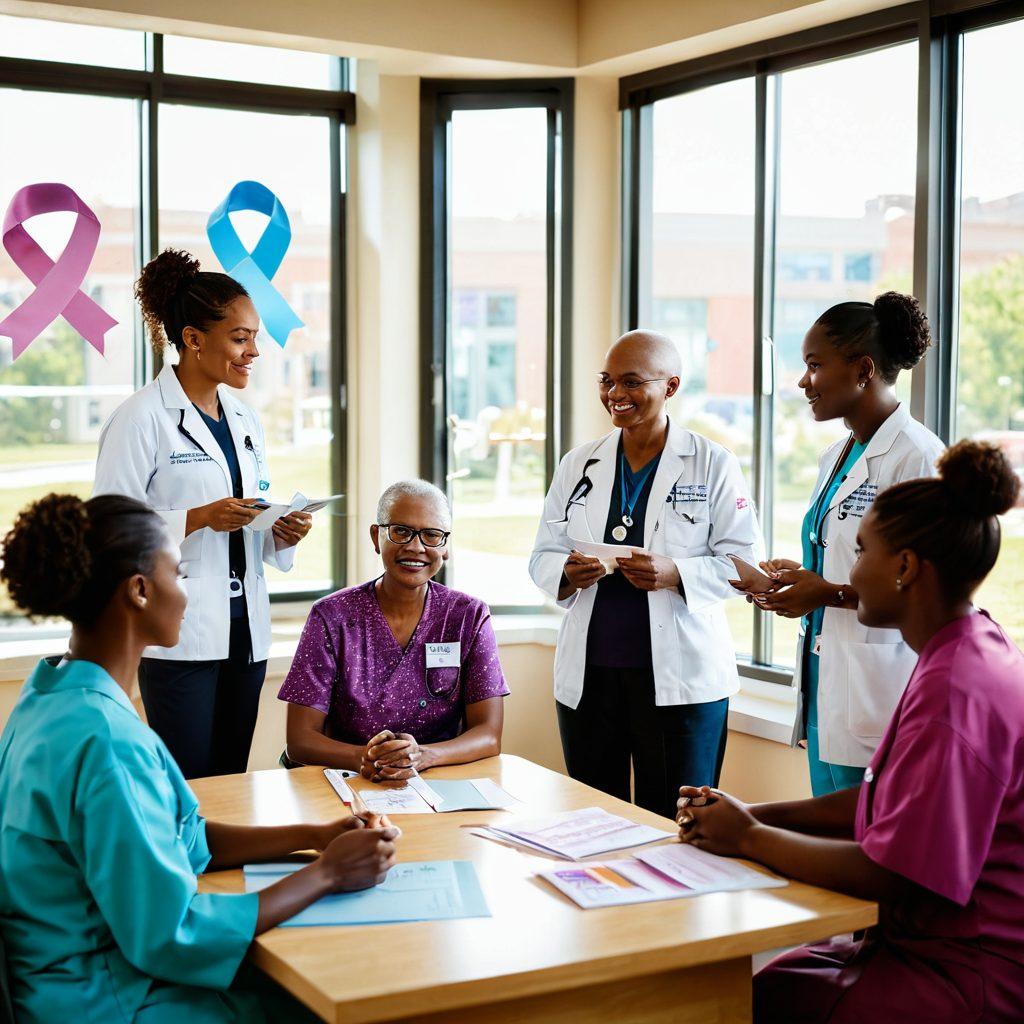
Navigating the Journey: Empowering Patients Through Cancer Education and Support
Empowering wellness in the face of a cancer diagnosis can feel daunting, but it’s crucial for every patient to recognize the power they hold over their health journey. The landscape of cancer education is not merely a collection of facts and figures; it's a lifeline for those grappling with the complexities of tumors, malignancies, and treatment plans. What if understanding your diagnosis could transform your experience from one of fear to empowerment? By gaining knowledge about your condition, such as the specific type of carcinoma, and the available treatment options, the journey to healing becomes much clearer. As you navigate your patient journey, remember: knowledge is power.
At the heart of cancer education lies the importance of early detection. Early diagnosis can significantly alter a patient’s prognosis and treatment outcomes. Healthcare professionals often emphasize the need for regular screenings and self-exams as part of a proactive approach to wellness. Have you ever wondered how much earlier treatment could have started if more people were informed about the signs and symptoms of malignancy? Engaging in cancer studies and research initiatives not only enriches your understanding but also opens doors to potential clinical trials that may benefit you or others. Staying informed is a critical step in advocating for yourself and your health.
Support groups can be invaluable in the cancer journey, offering a sense of community and understanding that can be hard to find elsewhere. Sharing experiences with fellow patients allows for discussions about coping with side effects, navigating complex treatment plans, and finding hope in survivorship stories. As oncologists often note, the mental health aspect of battling cancer is just as paramount as the physical. What if you found a supportive space that helped you process your emotions and shared triumphs? The power of shared experiences through patient advocacy empowers individuals to face their fears, reinforcing the notion that no one has to walk this path alone.
Nutrition and cancer is an area where educated choices become a powerful tool. What we eat affects our bodies, especially during treatment. While undergoing therapy, understanding the link between lifestyle modifications and improved outcomes can help patients build personalized wellness strategies. Have you considered a holistic health approach that combines physical, emotional, and nutritional wellbeing? Engaging with resources provided by cancer organizations can equip you with the knowledge needed to make informed decisions about diet and wellness, potentially impacting your healing process and side effects management.
Ultimately, cancer education fosters a culture of empowerment, equipping patients with essential tools to demystify their experience. Every patient journey is unique, and embracing your role as an informed advocate in your healthcare enhances your ability to navigate this landscape. As you pursue remission, remember that you have the right to ask questions, seek support, and make informed choices about your treatment. Let’s transform the narrative surrounding cancer—by sharing knowledge, we uplift ourselves and others, reinforcing the truth that our health is in our hands.
Navigating Treatments and Trials: A Comprehensive Guide to Cancer Support
In the landscape of cancer treatment and recovery, a well-informed patient is the strongest ally. Each diagnosis—whether it’s a malignant tumor or carcinoma—places individuals on a journey filled with uncertainty and anxiety. But navigating this path doesn’t have to be a solitary endeavor. With the right resources, education, and support, patients can transform their intimidating journey into one of empowerment and awareness. From understanding malignancy to exploring treatment plans, we’re here to guide you through this intricate maze while focusing on wellness and healing.
Imagine standing at a crossroads, where the branches of various treatments and trials expand into the unknown. As you grapple with the implications of your diagnosis, let’s ask: How do you discern which path to take? Whether it’s engaging with your oncologist, exploring clinical trials, or delving into the latest cancer studies, it’s essential to arm yourself with information resources. Patient advocacy begins with asking questions, seeking clarity, and ensuring you’re an active participant in your healthcare decision-making. By doing so, you not only empower yourself, but you also pave the way for others on their cancer journeys.
Support groups play an invaluable role in the cancer landscape, providing a sense of community and shared experience. These gatherings are more than just meetings; they’re safe havens where stories are shared, insights flow, and friendships blossom. You might find inspiration in hearing about others’ survivorship journeys, their strategies for managing side effects, or innovative approaches they adopt regarding nutrition and cancer. Remember, as one survivor famously said, 'We’re all in this together.' Bringing your story to a support group could provide the light someone else needs to find their way.
As the journey progresses, consider the importance of holistic health. This involves not only understanding the medical aspects of your condition but also focusing on mental health and lifestyle modifications that can enhance your quality of life. Whether through meditation, exercise, or dietary changes, each small step contributes to your overall well-being. Engaging with cancer organizations that offer workshops and resources can also kickstart this path. Have you explored nutrition’s role in cancer recovery? How can simple lifestyle choices make a significant difference in your treatment experience?
Ultimately, navigating treatments and trials isn’t just about facing immediate challenges; it’s about creating a long-term strategy for health and happiness. Embrace the journey with open arms; understand that early detection can lead to more favorable outcomes, and welcome the possibility of remission as a new chapter rather than an end. By staying informed and connected through patient advocacy and support networks, you transform the daunting experience of cancer treatment into a story of resilience and hope. After all, every patient journey is unique, and with the right insights and community, you can find your way to the healing you seek.
From Diagnosis to Remission: Strategies for Holistic Healing and Advocacy
Navigating the tumultuous waters of a cancer diagnosis can feel overwhelming. One day, you’re living your life, possibly unaware of the storm brewing inside your body, and the next, you’re confronted with terms like 'tumor,' 'malignancy,' and 'carcinoma.' The emotional toll is significant, but the journey from diagnosis to remission can be navigated with proper cancer education and advocacy. How can we transform this daunting experience into one of empowerment? Let’s explore the strategies for holistic healing and effective advocacy that can shape a positive patient journey.
First and foremost, understanding your diagnosis is critical. Take a minute to imagine yourself seated across from your oncologist, who is presenting you with the gray area between treatments and the dreaded side effects. This is where cancer education plays a pivotal role. Knowledge is power—equipping yourself with information about your specific condition can demystify jargon and provide clarity. The more you know about your treatment plans, the more empowered you become. Have you explored available information resources from reputable cancer organizations? These can be invaluable in guiding patient journeys toward effective treatments, wellness, and recovery.
Holistic health is a vital component of any treatment approach. While traditional healthcare focuses on eradicating the carcinoma, incorporating lifestyle modifications can pave the way for a more rounded healing experience. Nutrition and cancer are increasingly recognized as interconnected, with studies showing that certain diets can mitigate the side effects of chemotherapy or radiation. What if you could not only treat the illness but also nourish your body with foods that bolster your immune system? A healthcare provider or nutritionist specializing in cancer can help with personalized nutrition plans that enhance your well-being.
Embracing mental health is another crucial aspect of a holistic approach. The emotional rollercoaster that accompanies cancer can feel isolating, making support groups essential. Sharing experiences with fellow patients can evoke a sense of camaraderie and enable better navigation of the intricacies of treatment plans. Can you picture the relief of finding a community that understands your fears and triumphs? Support groups can not only provide comfort but give you access to patient advocacy resources, connecting you with others who are dedicated to improving patient education and outcomes as part of ongoing research initiatives and clinical trials.
Finally, as you progress along your journey—whether you’re in treatment, in remission, or looking to ensure long-term survivorship—keep the door open to advocacy. Engaging in cancer studies, participating in clinical trials, or even taking part in campaigns led by cancer organizations can transform you from a patient to a powerful advocate for change. By doing so, you not only contribute to the advancement of cancer research but also empower those who come behind you. Have you considered how your personal journey can serve others? Your story, supported by grounding knowledge and a commitment to wellness, can ignite a beacon of hope for many.